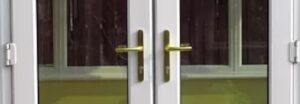
Hinges And Handles Repair: 11 Things You're Leaving Out
The Art of Hinges and Handles Repair: A Comprehensive Guide
Hinges and handles are small yet important components of doors and cabinets, influencing both the performance and looks of a space. Over time, wear and tear can lead to problems ranging from squeaky hinges to handles that refuse to turn. This guide looks into the common issues related to hinges and handles, provides repair techniques, and shares preventive steps to guarantee these components sustain their performance for years to come.
Understanding Hinges and Handles
Hinges are connected to doors and cabinets, enabling them to swing open and closed. They come in numerous types, consisting of:
- Butt Hinges: Common for doors, these consist of 2 plates joined by a pin.
- Piano Hinges: Long and continuous, piano hinges offer strength and assistance over larger surfaces.
- Strap Hinges: Often utilized for gates, these hinges are long and ornamental.
Handles, on the other hand, are used to open and close doors, drawers, and cabinets. They can be straightforward knobs or more complex styles like levers or pulls.
Common Issues with Hinges and Handles
Like any element, hinges and handles can experience problems. Acknowledging these issues early can avoid further damage. Common problems consist of:
- Squeaking Hinges: This typically suggests the need for lubrication or misalignment.
- Loose Handles: Over time, screws can loosen, leading to unstable handles.
- Rusty Hinges: Metal parts can corrode, particularly in damp environments.
- Broken Handles: This might result from extreme force or bad manufacturing.
Fixing Hinges
Repairing hinges normally needs a couple of fundamental tools and materials. Here's a step-by-step guide:
Tools and Supplies Needed:
- Screwdriver (flathead or Phillips, depending upon the screws)
- Lubricant (WD-40, silicone spray, or grease)
- Replacement screws or hinges (if essential)
- Rags for cleaning
Actions to Repair Hinges:
- Identify the Problem: Determine whether the hinge needs lubrication, modification, or replacement.
- Remove the Hinge (if required): Unscrew the hinge from the door or frame carefully. Hold the door to prevent it from falling.
- Clean the Hinge: Wipe it down with a rag to eliminate dirt or debris. For rusty hinges, think about utilizing a rust eliminator.
- Lubricate the Hinge: Apply lubricant to the hinge mechanism. Open and close the door a couple of times to work it in.
- Adjust Alignment: If the hinge is out of alignment, realign it before reattaching it.
- Reattach the Hinge: Use screws to secure the hinge back onto the door or frame. Make certain they are tight, but avoid over-tightening.
- Test the Door: Open and close the door to ensure a smooth operation.
Fixing Handles
Handles are uncomplicated to repair, depending on their structure. The following guide does not apply to all types however covers the most common issues.
Tools and Supplies Needed:
- Screwdriver
- Replacement screws or handle (if necessary)
- Wood glue or epoxy (for broken handles)
- Rags for cleansing
Actions to Repair Handles:
- Identify the Issue: Check for looseness, breakage, or misplacement.
- Tighten up Screws: Often, just tightening the screws with a screwdriver can solve loose handles.
- Reattach Broken Handles: If a handle has broken off, use wood glue or epoxy to the break, hold it together, and let it cure based on the product instructions.
- Change if Necessary: If the handle is beyond repair, remove it completely, and replace it with a new one. Ensure the brand-new handle matches the existing holes.
- Evaluate the Handle: After repairs, test the handle to guarantee it operates correctly and is safely connected.
Avoiding Future Issues
Taking preventive steps can extend the lifespan of hinges and handles. Consider these tips:
- Regular Cleaning: Dust and clean hinges and handles frequently to prevent accumulation.
- Lubricate Periodically: Apply lubricant to hinges every couple of months to avoid squeaks.
- Tighten up Screws: Periodically look for loose screws and tighten them as needed.
- Pick High-Quality Components: Invest in long lasting hinges and handles that are made to withstand wear and tear.
FAQs
Q1: How frequently should I oil my hinges?
A: It is recommended to oil hinges a minimum of every three to six months, or more regularly in areas with high humidity or use.
Q2: Can I replace a handle without getting rid of the door?
A: Yes, in lots of cases, you can change a handle without completely removing the door. However, loosening up the door can supply simpler access.
Q3: What should I do if a hinge is rusted?
A: For rusted hinges, try cleaning them with a rust cleaner. If the damage is severe, consider replacing them totally.
Q4: Can I repair a handle that is split?
A: Depending on the crack's intensity, you may be able to use wood glue or epoxy to heal it. If the damage is significant, replacing the handle may be needed.
Q5: Are there special tools required for hinge and handle repair?
A: Basic tools like screwdrivers, lubes, and rags are generally enough for minor repairs. More customized tools may be required for substantial projects.
The repair of hinges and handles might seem minor, yet these elements play a crucial function in home performance and aesthetic appeals. By acquainting yourself with common issues, utilizing the right tools, and following systematic repair steps, one can extend the life of these daily fundamentals. Remember, www.repairmywindowsanddoors.co.uk is essential to lessening future repairs, guaranteeing that doors and cabinetry stay both practical and aesthetically appealing for several years.